The Value of Following Famous Investors
Studying the investment strategies of renowned investors offers a unique learning opportunity for both novice and seasoned investors. By analyzing the decisions of the financial world’s luminaries, individuals can gain a deeper understanding of various investment philosophies and tactics that have proven successful over time. This approach not only provides valuable insights into the art and science of investing but also helps investors develop critical thinking skills necessary to navigate the complexities of the markets.
Sourcing Data from 13F Reports
Advertisement
The primary tool for tracking the investment moves of the world’s leading investors is the 13F filing. These SEC-mandated reports are filed quarterly by institutional investment managers with at least $100 million in qualifying assets. They offer a public snapshot of a manager's equity holdings at the end of each quarter, serving as a crucial resource for investors looking to understand where top managers are allocating capital.
Understanding 13F Reports
A 13F report provides transparency into the U.S. equity investments managed by institutional investors. It lists all securities and their associated amounts that these managers are required to report to the SEC. This public disclosure is intended to provide the market and investors with fundamental information to track the investment patterns and strategies of major institutional investors, thereby contributing to an open and honest investment environment.
Insights into Famous Investors
Warren Buffett – Berkshire Hathaway
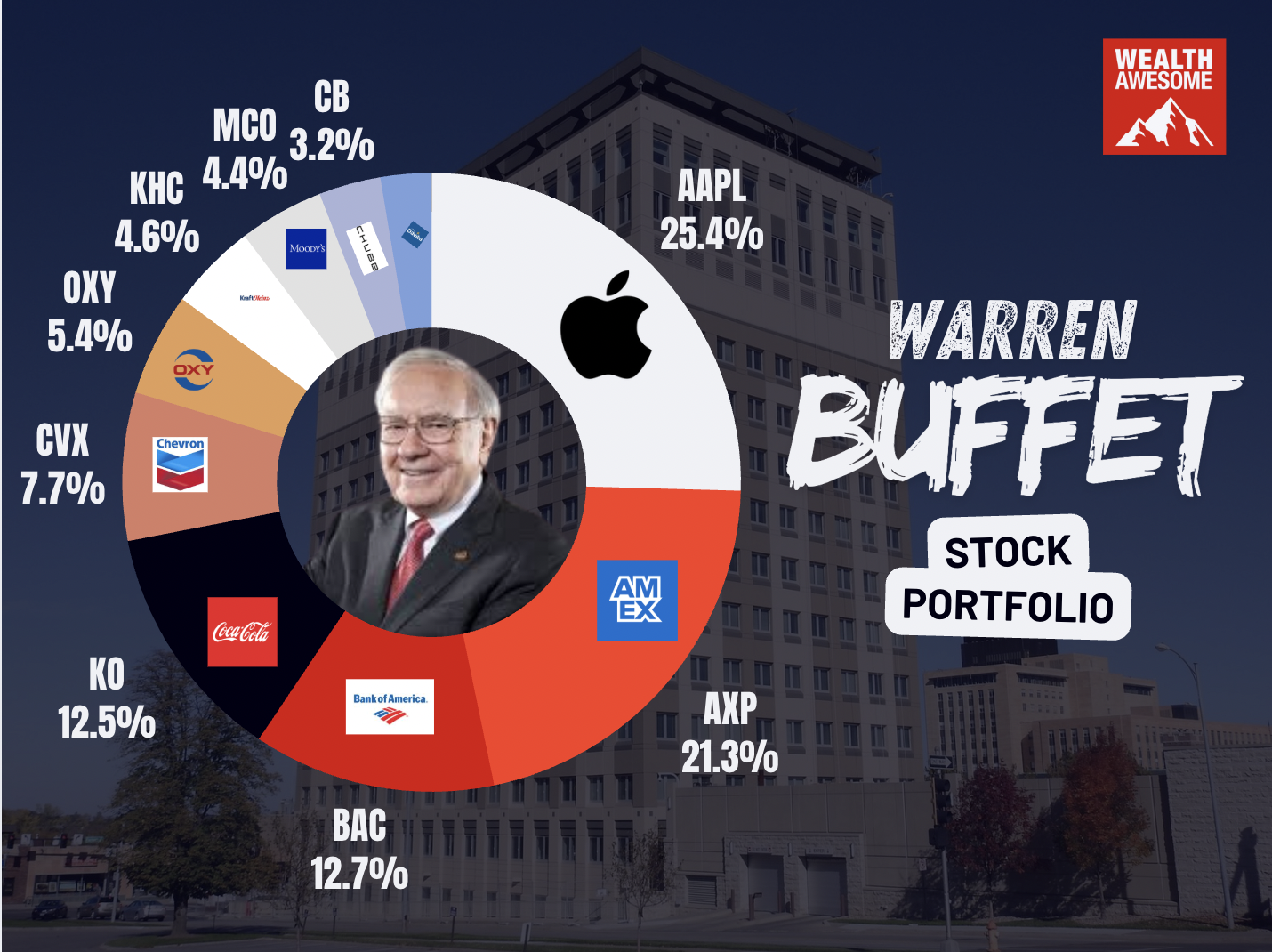
Warren Buffett, the Oracle of Omaha, continues to exemplify long-term value investing through Berkshire Hathaway. His Q4 2024 portfolio update revealed both continuity and strategic shifts. Apple remains the dominant holding, representing more than a quarter of Berkshire’s portfolio, while financial giants like American Express and Bank of America continue to play major roles.
However, Buffett also made notable trims to large banking positions and exited some smaller holdings, while adding new stakes in consumer staples and technology. These moves highlight his ability to adapt, balancing stability with fresh opportunities. [Explore Warren Buffett’s full portfolio →]
Guy Spier – Aquamarine Capital
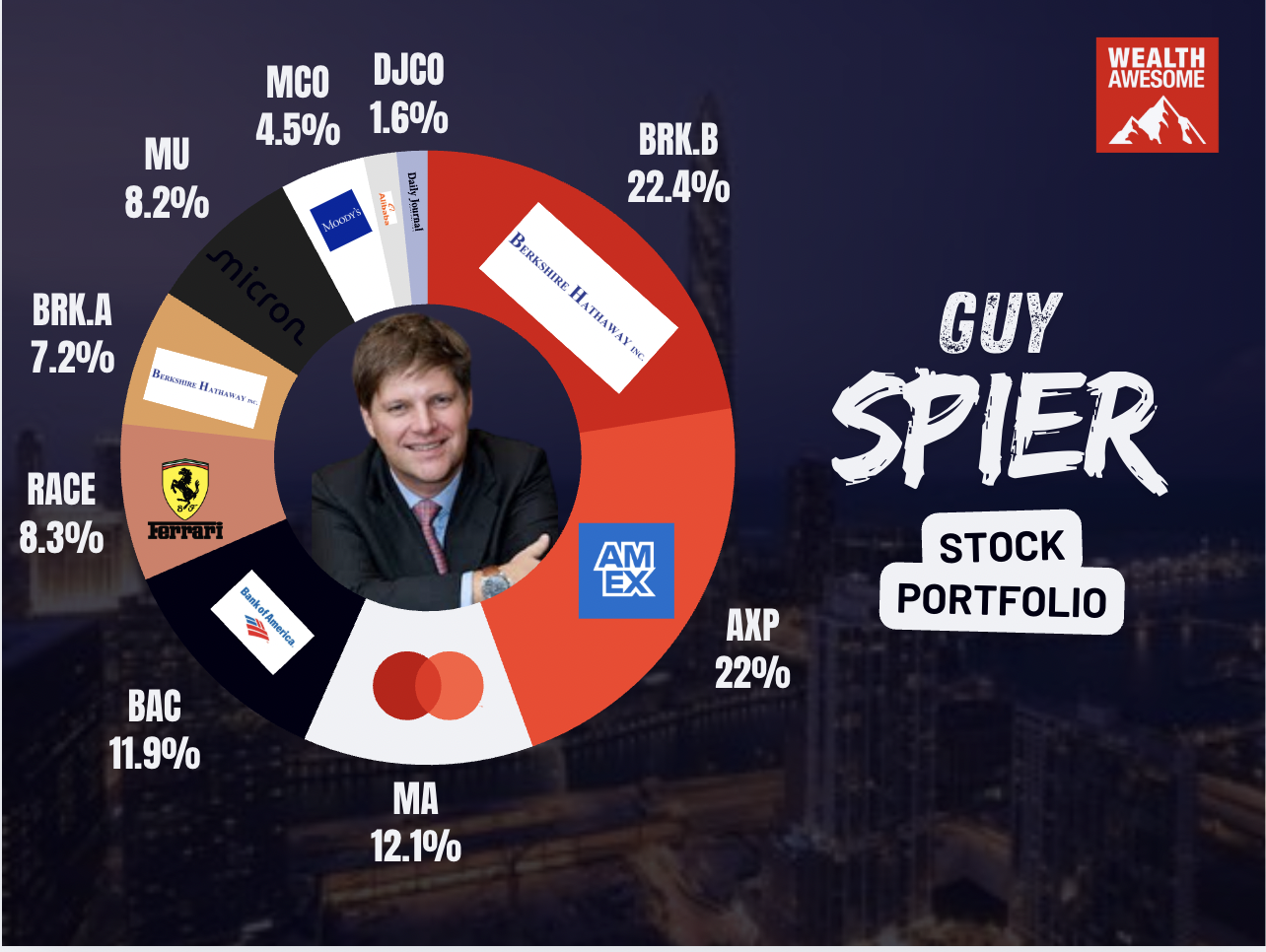
Guy Spier remains a model of patience and discipline. In Q4 2024, Aquamarine Capital reported no major trading activity, underscoring his commitment to long-term compounding. His portfolio continues to be anchored in financial stocks such as Berkshire Hathaway (both BRK.A and BRK.B), American Express, and Bank of America.
Spier’s strategy is less about chasing quarterly gains and more about holding high-conviction names over years. This approach, inspired by Warren Buffett and Benjamin Graham, reflects his belief that true wealth is built by owning great businesses for the long haul. [View Guy Spier’s latest portfolio →]
John Armitage – Egerton Capital
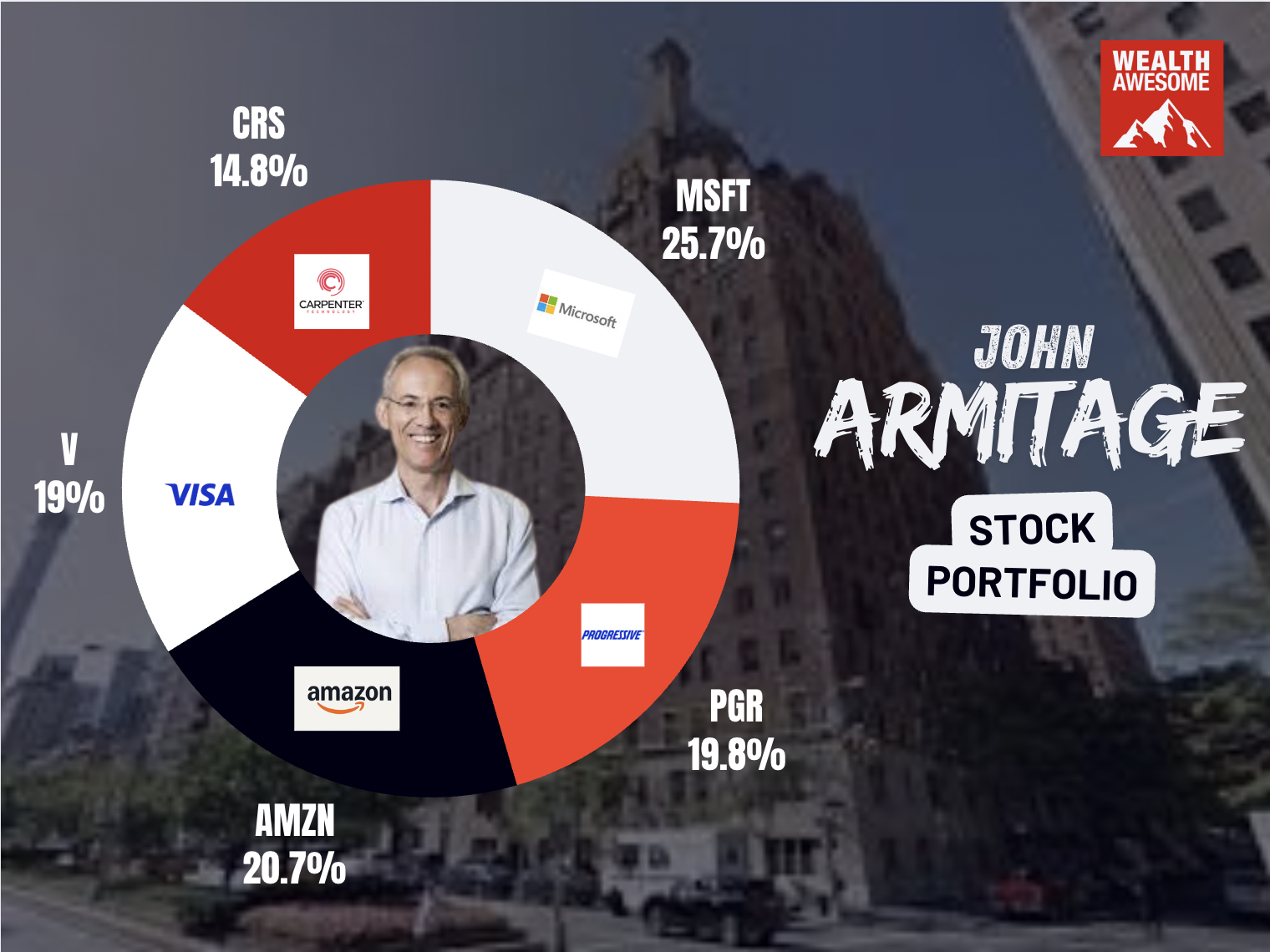
At Egerton Capital, John Armitage takes a research-driven, active approach. The Q4 2024 update showed significant activity, with notable new positions in Capital One Financial, CME Group, and Eli Lilly, alongside trims to Uber, Alphabet, and Booking Holdings. His portfolio remains diversified across technology, finance, consumer discretionary, and healthcare.
Armitage’s strategy blends concentration in high-quality names like Microsoft and Amazon with tactical shifts based on market conditions. This flexibility allows Egerton to capture upside in growth sectors while reducing exposure to areas of heightened risk. [See John Armitage’s portfolio breakdown →]
Michael Burry – Scion Asset Management
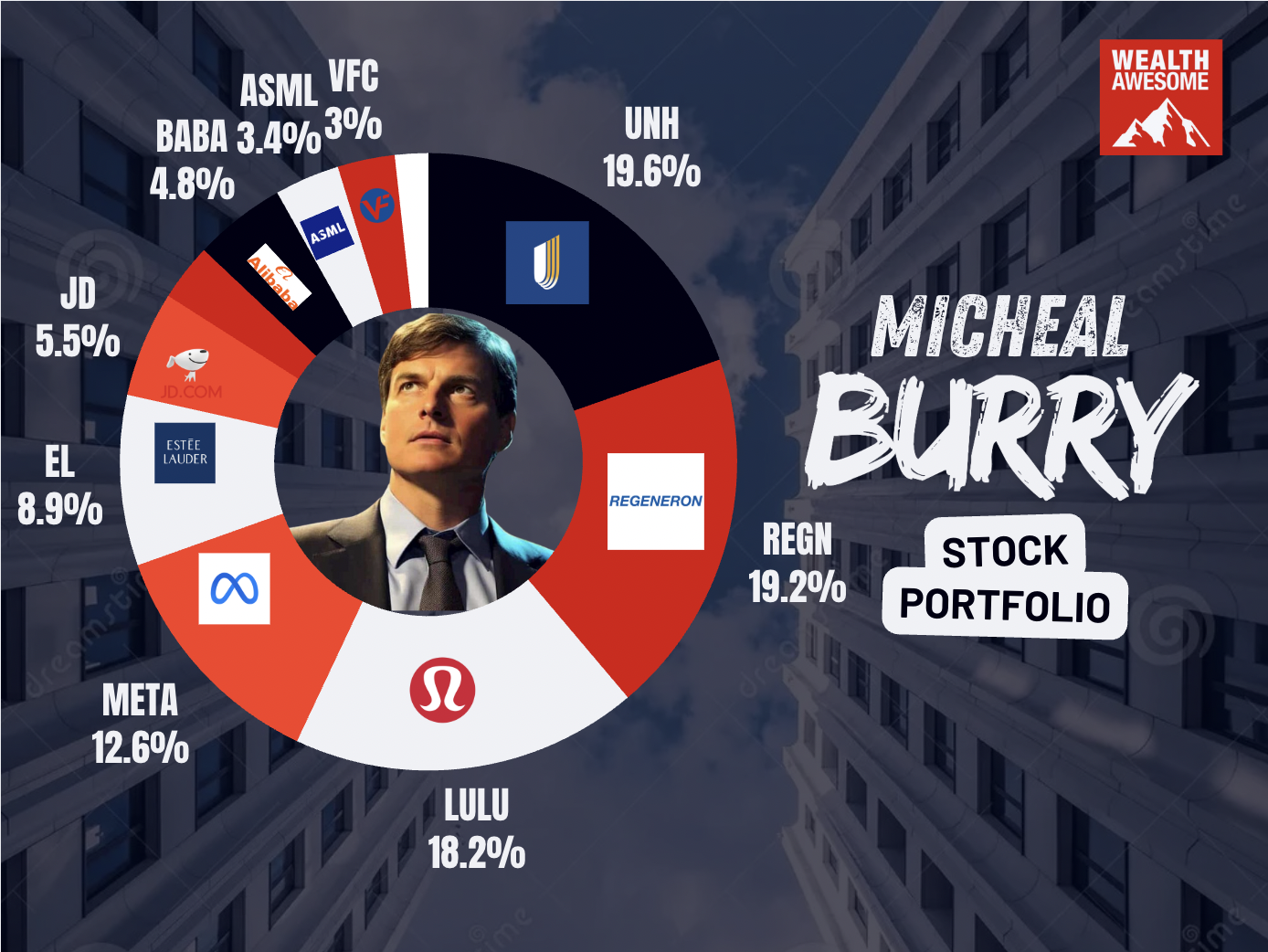
Michael Burry, famous for predicting the 2008 financial crisis, once again demonstrated his contrarian instincts in Q4 2024. His portfolio revealed significant exits from Chinese tech puts (JD.com, Alibaba, Baidu), while adding strongly to healthcare and consumer staples through positions like Estée Lauder, HCA Healthcare, and Bruker Corp.
Burry’s largest holdings remain concentrated in Alibaba, Baidu, and JD.com, but the diversification into healthcare and consumer goods signals a more defensive tilt. His moves underscore his willingness to pivot quickly when risk-reward dynamics change. [Check out Michael Burry’s portfolio moves →]
Conclusion
Tracking the investment strategies of prominent investors through 13F filings offers invaluable lessons in both the practical and psychological aspects of investing. By studying their decisions, investors can better position themselves to manage their own portfolios more effectively, drawing on the wisdom and experience of some of the market's most successful figures.
This main article serves as a gateway to more detailed analyses of each investor's strategies, available on their individual portfolio pages linked above. By exploring these resources, you can enhance your understanding and potentially improve your investment outcomes.
FAQs
What can we learn from leading investors' portfolios?
Leading investors' portfolios reveal strategies and investment choices that can inform individual investment decisions, highlighting successful asset allocation, risk management, and market timing.
How do leading investors’ portfolios differ from average investors?
Leading investors’ portfolios typically exhibit a more strategic approach, characterized by thorough research, diversification, and a long-term perspective, often resulting in higher returns compared to average investors.
What factors should be considered when analyzing leading investors’ portfolios?
When analyzing leading investors’ portfolios, consider factors such as investment philosophy, asset allocation, historical performance, market conditions, and the investors' response to economic events.
Can individuals apply insights from leading investors' portfolios to their own investments?
Yes, individuals can apply insights from leading investors' portfolios by adopting similar strategies, such as focusing on fundamental analysis, diversifying holdings, and maintaining discipline during market fluctuations.
Where can I find comprehensive information on leading investors’ portfolios?
Comprehensive information on leading investors’ portfolios can be found through SEC 13F filings, financial research platforms like WhaleWisdom, and detailed breakdowns on their dedicated portfolio analysis pages.
Best next step
Keep exploring this topic
If you want to go deeper, these are the most useful follow-up pages and tools for this topic.
Broker comparison
Best trading platforms in Canada
Compare $0-commission brokers and cashback offers before you buy the stock you just read about.
Stocks tool
Check Canadian stock movers
See the latest TSX and TSXV winners and losers before digging deeper into a sector.
Research hub
Browse Canadian stock research
Use the stock section to jump from a theme article into individual company pages.
Diversification
Compare stocks with ETF options
If you want exposure to a theme without single-stock risk, screen matching ETFs instead.
Advertisement
7 stocks to buy and hold forever
Proven winners for income investors — blue-chip dividend stocks to hold for decades.
Get the FREE Report
Qayyum Rajan, CFA
Qayyum is the CEO of Wealth Awesome, a leading Canadian personal finance publication. As a CFA charterholder with extensive experience in fintech, data science, and quantitative finance, he brings a unique analytical perspective to investing and wealth management.
View Full Profile →✅ Reviewed by Certified Financial Professionals
This content has been reviewed by CFA® charterholders and Certified Financial Planners (CFP®) with over a decade of experience in Canadian financial markets. All information is fact-checked against official Canadian sources and regulations.
Why these credentials matter: CFA® charterholders complete 900+ hours of rigorous study in investment analysis and ethics. CFP® professionals are held to the highest standards of financial planning competency and fiduciary duty in Canada.
⚠️ Professional Disclaimer
This content is for educational purposes only and should not be considered personalized financial advice. While our team brings professional expertise, individual circumstances vary. For personalized guidance, consult with a qualified financial advisor, tax professional, or mortgage specialist.