CIBC Investor's Edge
Transfer your investments to CIBC Investor's Edge and get rewarded with an offer of up to $3,000.
- ✓$6.95 flat-rate commissions
- ✓Backed by Big Five bank security
- ✓Transfer bonus offer up to $3,000
Are you shopping for your next vehicle?
The cost of owning a car is a lot more than just your car payment. Owning a car involves other ongoing costs, such as maintenance and repairs, insurance costs, and fuel costs. You also have to factor in depreciation, which can deduct 20% from the car's value in the first year alone.
The average cost of car ownership in Canada is $3,300 per year, according to CAA.
Below, I'll give you a complete car ownership cost breakdown, so you can arrange your finances to account for the new expenses.
Breakdown Of Car Ownership Costs
From the car cost to the gas cost, parking costs, and other monthly expenses like car insurance, vehicle ownership isn't cheap. Unless you want your car to be a major financial burden, it's important to analyze your annual budget before you sign on the dotted line for a car you can't afford.
Here are some of the primary costs associated with owning a car.
1. Monthly Payment And Interest Rate (If You're Financing)
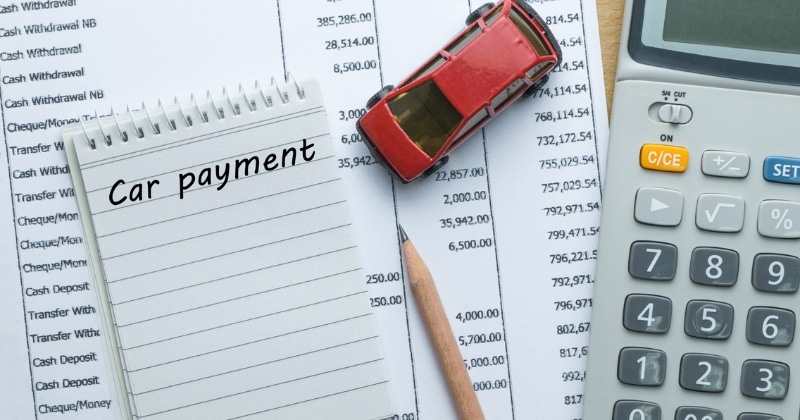
Don't let the sticker price fool you. The total cost of the vehicle after paying off a car loan is often far more than the principal amount that you borrowed. Depending on your down payment and the car loan term, you could end up paying almost double the price of the car.
This is especially true if you have a lower credit score.
Unless you have a significant amount of cash saved, you'll likely have to obtain an auto loan to finance some of your vehicle purchase. Auto loans, of course, come with interest fees.
Today, interest rates are very high, which means that you'll pay even more in interest than you may have five years ago (even if you're buying an average car and have an excellent credit score).
Once you drive off of the lot, you'll begin making a monthly payment. Some of this payment will go toward the principal balance, and some will go toward the interest.
With auto loans, you'll generally pay a greater percentage of the payment toward the interest during the first year or two. Banks set loans up this way to ensure that they get their profit, even if you refinance the car later on.
If you want to avoid unnecessarily high interest payments, your best bet is to make a larger down payment. The less you borrow, the less you'll pay in interest over the long run. It's also a good idea to build your credit and repair negative items before applying for an auto loan.
2. Registration Fees
Before you're even allowed to drive off of the lot, most dealers require buyers to register the vehicle with their local or provincial transportation department.
License and registration fees can vary depending on the value of the car and the type. Brand-new vehicles tend to incur higher registration fees, while used vehicles may be cheaper.
Often, dealers roll your initial registration fee and applicable sales taxes into your auto loan, so you don't have to pay everything upfront.
3. Fuel Costs
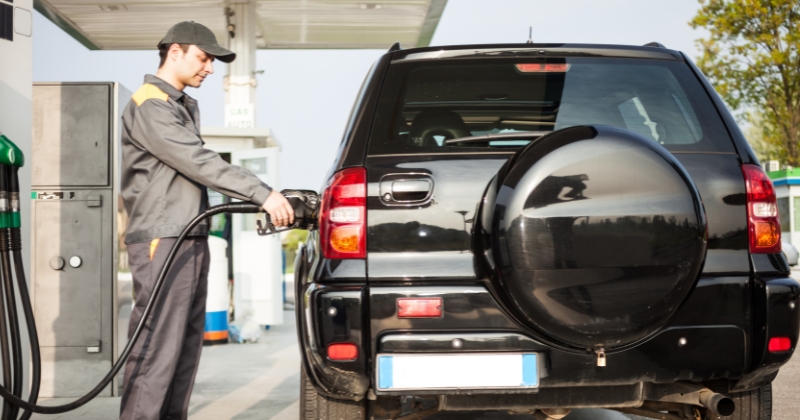
The fuel cost of owning a car is easily one of the largest expenses you'll incur. Even compact fuel-efficient cars can cost upwards of $40 or $50 to fill up. If you drive regularly, you'll likely fill up at least two or three times per month.
If you're a rideshare driver or have a long commute to work, then you may easily find yourself filling up once or twice per week. This could easily add up to a few hundred dollars per month in fuel consumption costs.
Because of this, fuel efficiency has become a major factor for car buyers. Larger vehicles, such as pickup trucks, are notorious for being gas-guzzlers, and heavy-duty work trucks can cost upwards of $100 or more to fill up.
Before buying a car, I suggest calculating the following:
-
The average fuel efficiency of the vehicle you want
-
How many miles you drive per week
-
The average cost of fuel in your area
This will give you a good idea of how much you'll spend per month in fuel.
Alternatively, you can avoid high fuel costs by shopping for an electric vehicle. The government is currently offering tax incentives for eligible EV purchases, which could help you save even more.
Although owning an EV can incur additional charging costs (especially if you charge it at home), these are generally lower than you'd pay in monthly fuel costs for combustion vehicles.
4. Insurance Fees

What is your driving record like? If you're a safe driver with a good history, you'll likely get a fair insurance quote. However, if you're driving habits (and history) aren't so great, then you could easily find yourself forking over extra money to the insurance company.
The biggest factors that determine your insurance costs are:
-
The value of the car (and average repair costs)
-
Your age and driving history
-
The type of car you have (sports, sedan, SUV, etc.)
-
The type of coverage you get
If you plan on financing your vehicle, you'll be required to purchase full-coverage auto insurance for the duration of your auto loan term.
This can greatly increase your car expenses. Once the loan is paid off, you'll be free to downgrade your insurance, which could save you some money.
The good news is that most car insurance companies in Canada offer free quotes online or over the phone.
If there's a particular car that you have in mind, it's a good idea to call around and compare rates with different insurers for that vehicle.
- Related Reading: Best Car Insurance Companies In Ontario
5. Routine Maintenance

Once you own a car, you'll be responsible for most maintenance costs, including:
-
Oil changes
-
Tire rotations
-
Swapping to winter tires
-
Brake service
-
Spark plugs
-
...and more
These are all everyday costs that car owners have to take care of. The exception to this rule is if you're leasing a vehicle. Vehicle lease terms typically include standard maintenance and oil changes (more on this below).
For example, oil typically needs to be changed every 5,000 to 7,000 miles, and tires need to be rotated with the same frequency. You'll typically need fresh brake pads every 30,000 miles and new spark plugs every 30,000 to 60,000 miles.
If you're a DIY type of person and have some tools, you may be able to save some money by taking care of certain maintenance items yourself. If you do, I recommend keeping receipts and a detailed maintenance log, as this may be able to help you resell the car for more in the future.
Otherwise, you'll need to take your car to the dealership or a local mechanic to get it fixed. Most dealers suggest that you use their dealership, as the work is under warranty, and the techs are trained to work on your car specifically.
Failure to keep up with basic maintenance can cause serious problems and lead to some very costly repairs.
6. Unexpected Repairs
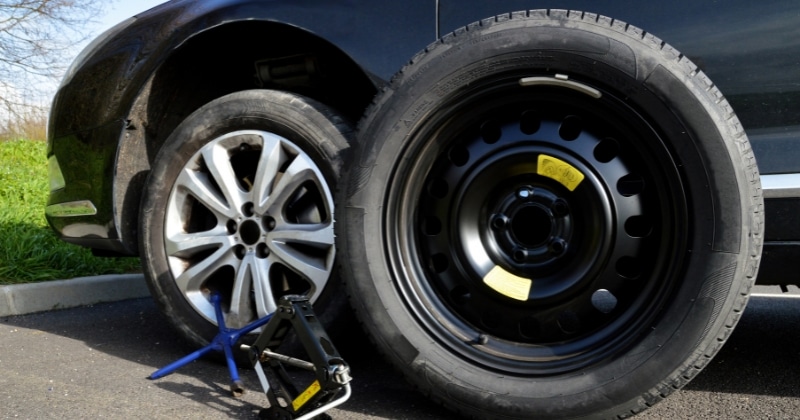
In addition to basic maintenance costs and oil changes, vehicle ownership can come with unexpected repairs. Perhaps your engine blows a gasket, your tire pops, your alternator fails, or your radiator develops a coolant leak.
All of these repairs can cost hundreds to get fixed. The total cost of the repair also includes the cost of labour in addition to the parts themselves.
Modern cars have more compact engine bays, which means that repairs can take twice as long compared to older cars that you may have grown up with in your family.
Even the average price of a new battery can range from $100 to $200 (and batteries often fail in Canada's ice-cold winters).
Buying a newer vehicle with less than 50,000 miles on it can help you avoid some of these unexpected repairs. However, used vehicles with 100,000+ miles can easily incur thousands of dollars in repairs during the first year or two of ownership.
Before buying a used car, I always recommend checking its repair and maintenance history. This can help you determine whether certain parts are due for replacement and is something that you should consider in addition to the car price itself.
7. Depreciation Cost
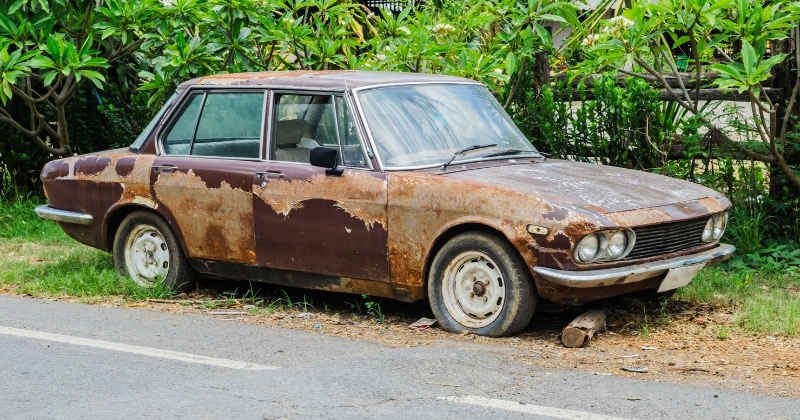
As soon as you drive a new vehicle off of the lot, the original purchase price can depreciate by as much as 20% during the first year of ownership and between 10% and 15% in the following years. This is referred to as a car's depreciation factor.
For example, if the manufacturer's suggested retail price (MSRP) on a brand-new car is $45,000, it may only be worth $36,000 after you drive it around for a week.
The depreciation factor is generally lower with used cars, as vehicles depreciate to a lower degree over time. You'll see the most depreciation within the first two years of ownership.
What this means is that you usually won't be able to sell or trade the car in for the same price that you purchased it for. If a used car depreciates by $1,000 per year, this is $1,000 more that you'll need to replace the car in the future.
While it's not a cost you have to pay upfront, it's still worth considering - especially when it comes to high-end luxury and sports vehicles.
8. Additional Expenses
Lastly, you should also consider additional expenses such as parking fees, toll booths, and tickets/citations. While these are more "optional," they're still fees that you wouldn't have to pay if you were taking public transportation.
Resource: CAA Driving Costs Calculator
One of the best resources to discover the total cost of owning a car in Canada is the CAA driving costs calculator. CAA is an insurance and roadside assistance program that's been around since 1975. The calculator will ask you to enter the following information:
-
Your province
-
Annual mileage estimate
-
Make, model, and year of your car
-
Trim of your car
Once you enter this information, you'll be presented with the average cost of owning your car.
Conclusion - How Much Does Car Ownership Cost In Canada?
The annual cost of owning a car in Canada can easily cost upwards of $3,300 or more, depending on the type of vehicle you own, how much you drive, and any unexpected maintenance costs and repairs that may arise.
I recommend using the CAA's driving costs calculator to get an accurate estimate based on the type of vehicle you're thinking of buying. Then, take this estimate and factor it into your annual budget to make sure that you're prepared for any surprises.
Leasing a car may simplify your ownership costs, as you won't be responsible for much of the repairs and maintenance. Keep reading to see my breakdown of buying vs leasing a car!
FAQ: Car Ownership Costs in Canada
How much does it cost to own a car in Canada annually?
According to CAA, the average annual cost of owning a car in Canada is around $3,300, though this can vary based on vehicle type, driving habits, and location.
What are the biggest costs of owning a car in Canada?
The main costs include car payments, fuel, insurance, registration, maintenance, repairs, depreciation, and additional expenses like parking or tolls.
How much does a car cost per month in Canada?
Monthly car ownership costs can range from $300 to $800 or more, depending on whether you're financing, driving frequently, and the insurance premiums in your province.
What is the cost of owning a car in Toronto?
Car ownership in Toronto tends to be more expensive due to higher insurance premiums, fuel prices, parking fees, and potential tolls.
Is there a car ownership cost calculator for Canada?
Yes, the CAA Driving Costs Calculator is a useful tool that estimates annual ownership costs based on your vehicle type, location, and driving habits.
Are electric vehicles cheaper to own than gas cars in Canada?
EVs generally have lower fuel and maintenance costs, though they may come with higher upfront costs. Government rebates can help offset some of these expenses.
What are typical yearly auto expenses?
Typical expenses include loan payments, gas ($1,500–$2,000), insurance ($1,000+), registration fees, routine maintenance, and unexpected repairs.
How much is the average credit card debt in Canada related to car costs?
While car costs aren’t typically categorized as credit card debt, many Canadians use credit to cover fuel or maintenance, which contributes to average credit balances.
Best next step
Keep exploring this topic
If you want to go deeper, these are the most useful follow-up pages and tools for this topic.
Tax planning
Estimate your take-home pay first
Use the tax calculator before choosing software, moving cash, or making a savings plan.
Banking next step
Compare high-interest savings rates
Move from banking basics into current cash rates and safer places to park your money.
Savings tool
See how compound growth adds up
Turn a practical money question into a long-term plan with a quick growth projection.
Advertisement
7 stocks to buy and hold forever
Proven winners for income investors — blue-chip dividend stocks to hold for decades.
Get the FREE Report
Christopher Liew, CFA, CFP®
Christopher is the founder of Blueprint Financial and a CTV News personal finance columnist. As a dual-designated CFA charterholder and Certified Financial Planner (CFP®), he helps Canadians reduce financial stress through clear, customized financial plans.
View Full Profile →✅ Reviewed by Certified Financial Professionals
This content has been reviewed by CFA® charterholders and Certified Financial Planners (CFP®) with over a decade of experience in Canadian financial markets. All information is fact-checked against official Canadian sources and regulations.
Why these credentials matter: CFA® charterholders complete 900+ hours of rigorous study in investment analysis and ethics. CFP® professionals are held to the highest standards of financial planning competency and fiduciary duty in Canada.
⚠️ Professional Disclaimer
This content is for educational purposes only and should not be considered personalized financial advice. While our team brings professional expertise, individual circumstances vary. For personalized guidance, consult with a qualified financial advisor, tax professional, or mortgage specialist.